
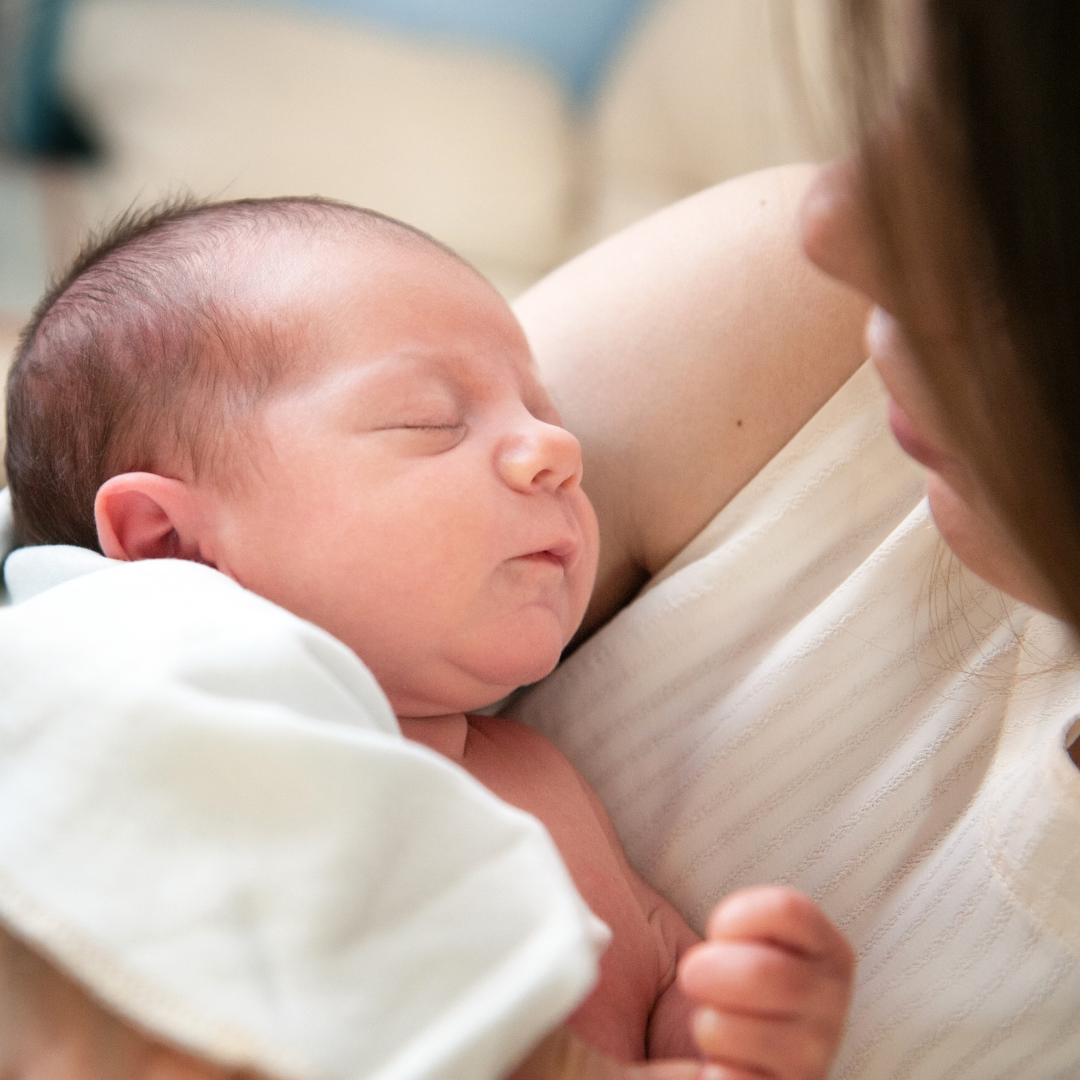
You’ve just fed your baby, and everything seems calm and peaceful—until those little cries start up again. If you’re wondering whether your baby needs to be burped, you’re not alone. Burping a newborn might feel like an unnecessary task, especially when they seem content after feeding. But here’s the truth: it’s more important than most new parents realize.
Why Does Burping Matter?
So, why exactly should you bother learning how to burp a baby after a feed? Babies, particularly newborns, tend to swallow air while feeding, whether they’re breastfeeding or bottle-feeding. That air gets trapped in their tiny stomachs, making them feel uncomfortable. Left unburped, this extra air can lead to gas, fussiness, or even spit-up. While adults can burp on their own, babies need a little help to release that trapped air.
The Benefits of Burping Your Baby
It might feel like a small thing, but the simple act of burping your baby comes with plenty of benefits. Here’s what burping helps with:
- Relieves Discomfort
Imagine feeling bloated with no way to release the pressure—uncomfortable, right? Babies feel this too, and burping offers them relief. Trapped gas can make them fussy or cause stomach aches, and burping helps to release that tension, often calming a cranky baby almost instantly. - Prevents Spit-up
If your baby is spitting up a lot, especially right after feeding, trapped air could be the culprit. The air bubbles in the stomach can push the milk up, leading to spit-up. Regular burping reduces this and keeps your baby’s milk where it should be—inside their stomach, not on your shoulder. - Supports Digestion
Burping also aids in your baby’s digestion. Removing the excess air in their tummy makes room for the milk to settle and digest properly. It may even help prevent some of those digestive issues, like colic, that can make both you and your baby miserable. - Reduces Fussiness
If your baby seems unsettled after a feed, it’s possible they have a bubble of air that’s causing discomfort. A good burp can often be the magic trick to ease their fussiness, letting them sleep soundly—or at least until the next feeding! - Improves Sleep
Every parent knows how precious sleep is, especially in those early months. Burping your baby before laying them down to sleep can make a huge difference. A comfortable baby is a sleepy baby, and a sleepy baby means more rest for everyone.
The Right Time to Burp
You might wonder, “When should I burp my baby? Should it be after every feed?” The answer can depend on your baby’s feeding habits and what works best for them. Generally, here’s a helpful guide:
- Breastfeeding: Try burping when switching sides. This gives your baby a break and helps release any air they might have swallowed during the feed.
- Bottle-feeding: It’s often recommended to burp your baby halfway through the bottle and then again at the end. This helps prevent too much air from getting trapped in one go.
You might find that some babies need to burp more often than others. If your baby is especially gassy or seems to have a lot of spit-up, increasing the frequency of burping during a feed can help.
Best Positions for Burping
Now that you know when to burp, how should you go about it? There’s no one-size-fits-all when it comes to burping positions, but here are a few tried and tested ones that parents often swear by:
- Over-the-Shoulder: Hold your baby upright against your chest with their head resting on your shoulder. Gently pat or rub their back in an upward motion.
- Sitting Up: Sit your baby on your lap facing forward, supporting their chest and head with one hand. Use the other hand to pat their back.
- Lying Across Your Lap: Lay your baby face down across your lap with their head slightly higher than their chest. Gently pat their back to help them release the air.
If one position doesn’t seem to work, try switching it up. Some babies respond better to certain positions, so experimenting is key.
What If My Baby Doesn’t Burp?
There will be times when your baby just doesn’t burp, no matter how long you try. Don’t panic. If your baby seems content and isn’t showing signs of discomfort, they might not need to burp every single time. However, if they’re crying or fussy, it’s worth trying again in a different position or giving them a little more time.
It’s also helpful to keep in mind that as your baby grows, they will gradually need to be burped less frequently. Their digestive system becomes more efficient, and they’ll swallow less air, making the need for burping less important.
Final Thoughts
Burping might seem like just another thing on your to-do list as a new parent, but it’s a step you shouldn’t overlook. It’s about ensuring your baby is comfortable, reducing spit-up, and even helping them sleep better. Plus, the more you practice, the easier it gets.
So, if you’ve been wondering whether burping really matters—it does. Give it a try, and you’ll likely notice the benefits for both your baby and yourself. A happy, burped baby is often a calmer baby, and that’s something every parent can appreciate.