
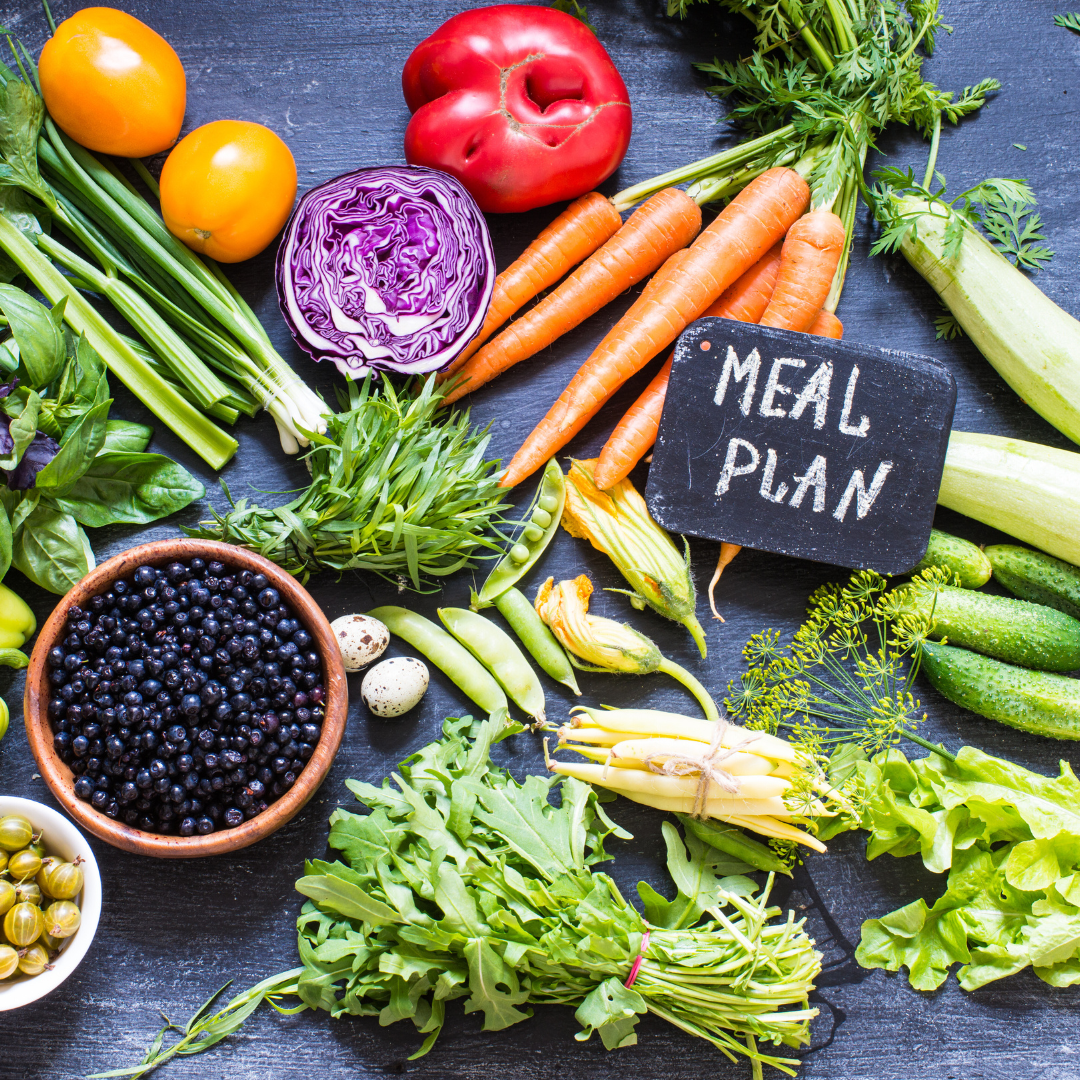
Planning meals for the entire week starts with creating a clear list of recipes and ingredients. The key is to choose meals that share common ingredients, making shopping and preparation more efficient. This strategy saves time, reduces waste, and helps maintain a balanced diet.
Organising meals around a weekly schedule allows for better portion control and prevents last-minute unhealthy choices. It also allows preparing some dishes in advance, freeing up time on busy days. With thoughtful planning, meal times become less stressful and more enjoyable.
Key Principles of Weekly Meal Planning
Effective meal planning requires clear intentions about dietary needs, time management, and recipe selection. Understanding how these elements interact helps create a practical and adaptable meal plan.
Setting Clear Meal Planning Goals
He should define specific goals based on dietary preferences, budget, and nutritional needs. For families with kids, this might include balancing healthy meals with child-friendly options.
Focusing on goals like reducing food waste or saving cooking time shapes the meal plan. Writing down these goals helps maintain discipline and guides ingredient purchases.
Goals also influence meal variety and portion sizes. For example, aiming to include more vegetables or to prepare extra servings for leftovers impacts weekly recipes.
Understanding Your Weekly Schedule
She must consider her week’s time constraints, such as work hours, children’s activities, and social plans. Busy days may require quick meals or leftovers, while weekends allow for more elaborate cooking.
It helps to map out which days are suitable for fresh cooking versus batch cooking. This prevents last-minute meal decisions and reduces reliance on takeaways.
Prioritising flexibility in the meal plan accommodates unexpected changes. Scheduling specific meal prep sessions boosts efficiency and ensures consistency.
Choosing Core Recipes for Variety
They should select a handful of versatile recipes forming the meal plan’s base. Core recipes might include adaptable dishes like stir-fries, pasta, or casseroles.
These meals can be varied with different proteins, vegetables, or sauces to avoid repetition. Including kid-friendly meals ensures the whole family’s needs are met.
Rotating core recipes weekly maintains balance between routine and variety. Keeping a list of favourite recipes streamlines future meal planning and grocery shopping.
Essential Steps to Plan Your Meals for the Week
Planning meals for a week involves organising food choices, ensuring nutritional balance, and adjusting for time constraints. It requires creating a meal structure, preparing a smart shopping list, and setting aside options for days when time is limited.
Creating a Balanced Meal Structure
A balanced meal structure includes a variety of food groups across the week. It should combine proteins, carbohydrates, fats, fruits, and vegetables in each meal. This ensures adequate nutrient intake and supports overall health.
Meals can be grouped into breakfast, lunch, and dinner, with snacks as needed. Each meal should offer a good mix, such as lean meats or plant-based proteins, whole grains, and colourful vegetables. Planning meals with seasonal ingredients helps maintain variety and freshness.
Using simple templates to rotate food choices prevents repetition. This could look like two meat-based dinners, two vegetarian dinners, and one fish dish per week. Balanced meals improve both energy and digestion.
Building a Versatile Shopping List
The shopping list must reflect the planned meals and cover all basics. It is efficient to categorise items into sections like fresh produce, dairy, pantry staples, proteins, and frozen goods. This reduces time spent in stores and prevents the buying of unnecessary items.
Including versatile ingredients is key. For example, onions, tomatoes, and potatoes can be used in numerous dishes. Staples like rice, pasta, and canned beans offer flexibility.
He or she should check existing supplies before shopping. Avoid buying duplicates of fresh food that spoils quickly. Quantities should match meal portions to reduce food waste.
Incorporating Quick Meals for Busy Days
Quick meals are essential when schedules are tight, but nutrition cannot be compromised. Preparing some meals in advance, such as soups or stews, saves cooking time later.
Simple meals like omelettes, salads with ready-cooked proteins, or stir-fries with pre-cut vegetables are effective. Using frozen vegetables and pre-washed salad leaves speeds up preparation.
Batch cooking and freezing portions for busy days can be highly practical. Having these quick meal options planned encourages healthier eating, even when time is limited.
Efficient Meal Prep and Storage Strategies
Careful preparation and organised storage save time and reduce waste. Using clear methods to batch cook, label, and store meals makes a weekly plan manageable and keeps food fresh longer.
Batch Cooking and Portioning
Batch cooking involves preparing large quantities of meals in one session. It is efficient for dishes with meat or healthy fats like olive oil or avocado, which maintain flavour and nutrition well when reheated. Roasting, boiling, or slow cooking are suitable techniques for batch cooking.
Portioning cooked meals into individual containers right after cooking helps prevent overeating and makes grabbing meals straightforward. Using microwave-safe or freezer-friendly containers supports easy reheating and extending meal lifespan. It is best to cool food before sealing containers to avoid condensation, which can degrade quality and safety.
Smart Storage and Labelling
Effective storage extends the freshness of prepared meals. Using airtight containers prevents spoilage and retains taste. Glass containers with secure lids are preferred as they avoid chemical leaching and handle temperature changes well.
Label containers clearly with the meal name and date prepared using waterproof markers or printed labels. This practice helps track freshness and prioritise consumption. Freezing excess portions is advised for slower use, but meals should not be kept frozen beyond three months to maintain quality.
Preparing Snacks and Breakfast in Advance
Preparing snacks and breakfast ahead reduces last-minute unhealthy choices. Items like overnight oats, boiled eggs, or chopped vegetables with dips can be stored in portions overnight or for up to three days in the fridge.
For energy and satiety, incorporating healthy fats into snacks, such as nuts or avocado slices, ensures a balanced start to the day or a filling snack. Preparing these in resealable bags or small containers makes them easy to grab during busy periods.
Tips for Tailoring Meal Planning to Your Household
Effective meal planning considers specific needs within the household, adjusting portions, flavours, and schedules. It ensures meals satisfy everyone while minimising waste and saving time.
Adapting for Men and Kids
Men often require larger portions due to higher calorie needs. Planning meals with flexible serving sizes helps accommodate these differences without costly over-preparation. For example, doubling protein portions or adding sides like rice or potatoes can meet men’s energy demands.
Children benefit from balanced meals that focus on variety and simplicity. Incorporating familiar favourites with occasional new flavours encourages healthy eating habits. Snacks should be nutrient-dense and easy to prepare to suit their tastes and schedules.
Using batch-cooked meals allows for easy reheating and portion control. This method helps manage different appetite sizes efficiently throughout the week.
Accommodating Dietary Preferences
Households may include varied dietary restrictions like vegetarian, gluten-free, or allergies. Planning separate components or fully adaptable meals supports everyone’s needs without excessive effort.
Creating a modular meal plan can work well. For example, preparing a base like pasta or salad with optional add-ons (meats, toppings, dressings) allows customisation at serving. This strategy reduces food waste and keeps all members satisfied.
Clear labelling of ingredients and nutritional information in the plan can improve meal preparation accuracy and safety for those with sensitivities.
Leveraging Essentials Like Tops and Time-Saving Tools
Utilising store cupboard essentials—such as canned tomatoes, beans, and pasta—simplifies meal planning and ensures variety. These staples form the base for multiple dishes across the week, reducing last-minute shopping.
Time-saving tools like slow cookers, pressure cookers, or batch baking help prepare meals efficiently. Incorporating them into the plan allows for longer cooking processes during free hours and quicker reheating later.
Preparing tops or condiment options, such as sauces and dressings, in advance adds flavour without extra meal prep time. They enhance basic meals, making them more appealing for different tastes within the household.