
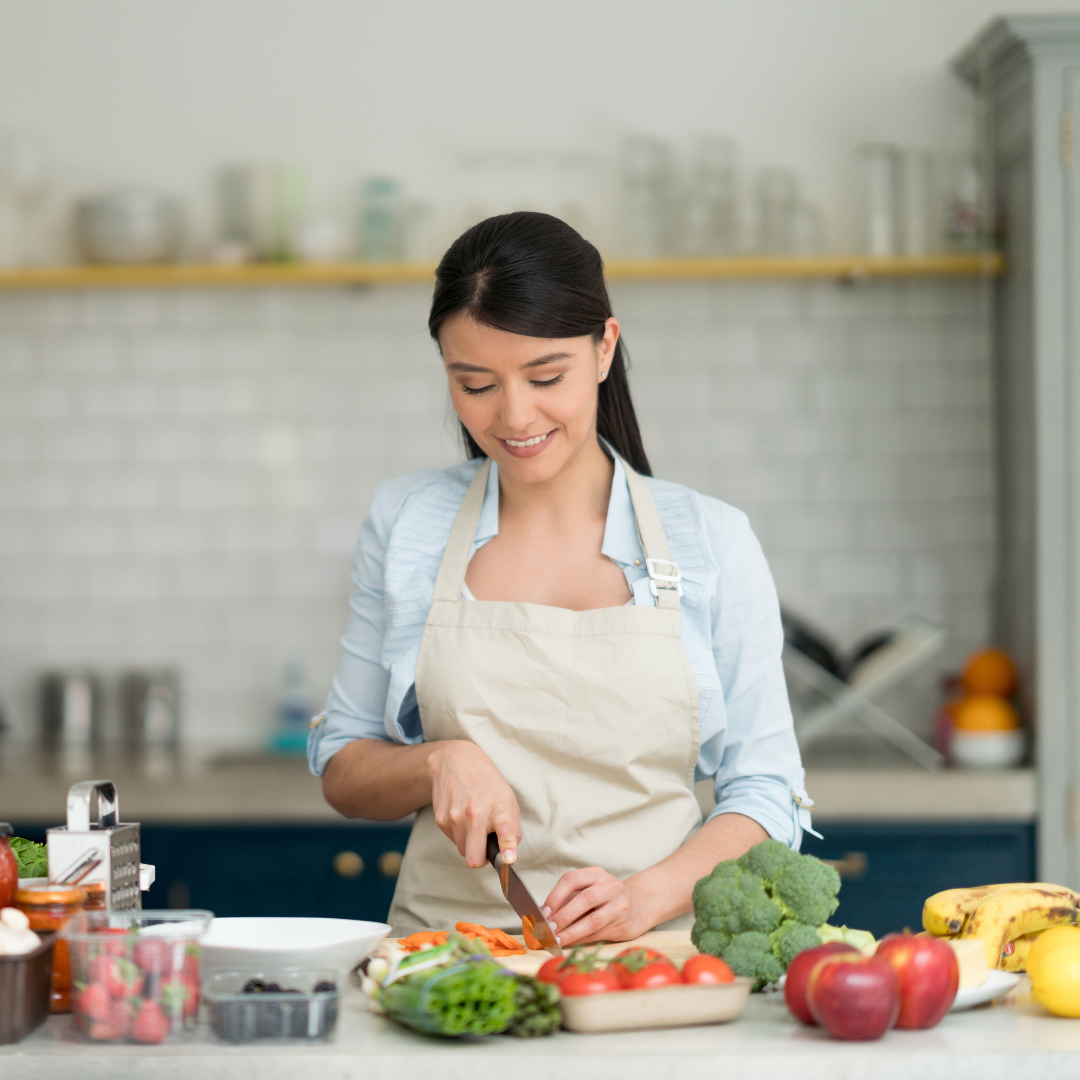
Every home chef benefits from practical cooking tips that save time, improve flavour, and make mealtimes easier. Understanding basic techniques, seasoning correctly, and using the right tools can transform everyday cooking into a more enjoyable and successful experience.
Many people struggle with common kitchen challenges like overcooking, under-seasoning, or confusing recipes. Simple habits, such as prepping ingredients in advance or controlling heat properly, lead to consistent results and less stress.
This article shares straightforward tips that cater to cooks of all levels. Whether preparing a quick dinner or experimenting with new dishes, these strategies help make cooking more efficient and satisfying.
Foundational Cooking Tips Every Home Chef Must Know
Successful home cooking relies on preparation, organisation, and cleanliness. These elements save time and reduce stress during the cooking process, allowing better focus on technique and flavour.
Read Recipes Thoroughly Before Starting
Reading the entire recipe before beginning prevents mistakes and surprises. It helps home chefs understand cooking times, ingredient quantities, and necessary equipment.
Some recipes include steps that require preparation, like marinating or chilling. Missing these details can affect the final dish. Noting timing and temperature instructions ensures food is cooked safely and correctly.
Many cooking tips stress checking for unfamiliar terms or techniques in advance. This way, home cooks can research or prepare properly, avoiding last-minute confusion.
Embrace Mise en Place for Efficiency
Mise en place means having all ingredients measured, peeled, chopped, and ready before cooking starts. This method improves workflow and prevents overcooking while searching for items.
A typical mise en place setup includes bowls or containers with prepped ingredients arranged near the cooking area. It helps maintain consistent pacing and allows the cook to focus on timing.
Adopting this approach benefits home chefs by reducing errors and making complex dishes more manageable. It promotes smoother transitions between steps and reduces clutter on work surfaces.
Keep Your Workspace Organised and Clean
Clean as you go is a key kitchen tip for maintaining hygiene and reducing mess. Washing utensils and wiping surfaces during cooking frees space and prevents contamination.
An organised workspace means having frequently used tools and ingredients within reach. This minimises unnecessary movement and speeds up the cooking process, improving efficiency in busy home kitchens.
Regularly clearing scraps and spills prevents accidents and helps maintain focus. It also streamlines post-cooking cleanup, making home cooking more enjoyable and less taxing.
Essential Knife Skills and Food Preparation
Efficient food preparation depends on the right tools, precise techniques, and safe habits. Mastering how to maintain knives and execute key cuts allows a home chef to work faster and reduce waste. Clean work surfaces and proper knife handling also protect against injury.
Choose and Maintain a Sharp Chef’s Knife
A sharp chef’s knife is essential for accuracy and safety. Dull knives require more force, increasing the risk of slipping and accidents. Home chefs should invest in a high-quality knife with a sturdy handle and a blade around 20-25cm long for versatility.
Regular sharpening with a whetstone or honing rod maintains the blade’s edge. Honing should be done before or after each use to align the edge, while sharpening is less frequent but necessary when the blade becomes noticeably dull. Storing knives properly, either in a block or on a magnetic strip, protects the blade and prevents damage.
Master Chopping, Dicing, and Mincing Techniques
Chopping, dicing, and mincing are basic but distinct knife skills. Chopping produces rough, uneven pieces and is best for softer vegetables. Dicing creates uniform cubes, ideal for even cooking, and begins with slicing food into strips (julienne) before cutting across.
Mincing involves finely chopping ingredients into very small pieces, often used for garlic or herbs to release maximum flavour. Using a consistent knife motion, such as the rocking technique, improves speed and precision. A food processor can assist, but lacks the control and texture achieved by hand.
Practice Safe Cutting Board Habits
A stable cutting board is crucial for safety and efficiency. Placing a damp paper towel or silicone mat beneath the board prevents slipping during cutting. Wooden or composite boards are preferred for knife preservation as they are gentler than glass or plastic.
Using separate boards for meat and vegetables reduces cross-contamination risks. Regular cleaning after use, especially when cutting raw proteins, is essential. Cross-hatching food items with proper board hygiene also keeps the cooking environment safe.
Fundamental Cooking Methods and Flavour Techniques
Mastering basic cooking methods and understanding how to balance flavours can elevate everyday meals. Simple techniques like sautéing, roasting, and steaming bring out natural tastes, while thoughtful seasoning with salt, acid, and herbs enhances complexity. Efficient cooking approaches also save time without sacrificing flavour.
Perfect Sautéing, Roasting, and Steaming
Sautéing requires a hot pan and a small amount of olive oil to cook food quickly, preserving texture. Food should be dry before it hits the pan to reduce steaming instead of browning. Common ingredients for sautéing include vegetables like tomatoes or greens and proteins like chicken or fish.
Roasting uses dry heat in an oven, ideal for meats and root vegetables. A sheet pan meal combining roasting and seasoning with kosher salt and spices like paprika or cumin produces rich flavours with minimal effort. Maintaining space between items encourages even cooking.
Steaming preserves moisture and nutrients by cooking food over boiling water. It is perfect for delicate vegetables and fish. Adding lemon juice or fresh herbs like parsley to steaming water subtly infuses flavour without added fat.
Balance Flavours with Seasoning and Acidity
Proper seasoning starts with salt. Kosher salt or sea salt is preferred for even distribution and a clean taste. Salt enhances natural flavours, but it should be added gradually and tasted as you cook.
Acidity from lemon juice or vinegar brightens dishes and balances richness. Adding a splash near cooking’s end revives flavours and cuts heaviness in sauces, stews, or braises. Tomatoes add natural acidity and sweetness, creating depth when combined with warming spices like cinnamon or paprika.
Balancing salt and acidity alongside spices prevents dull or one-dimensional food. Taste regularly, adjusting seasoning in stages rather than all at once.
Enhance Dishes Using Herbs and Spices
Fresh herbs such as basil and parsley add vibrancy and brightness when added at the end of cooking or as a garnish. Store fresh herbs properly in the fridge wrapped in a damp cloth to extend usability.
Spices like cumin, paprika, and cinnamon should be toasted lightly in a dry pan to release aroma before use. Pantry staples like dried spices can transform simple dishes, layering flavour without extra calories or fat.
Using herbs and spices thoughtfully complements both meats and vegetables. Combining fresh and dried elements helps create balanced, complex flavour profiles with minimal effort.
Utilise Time-Saving Cooking Hacks
Batch meal prep saves time and effort by cooking multiple portions at once. Roasting large sheet pan meals with pre-cut vegetables and protein cuts down daily cooking time.
Freezing pre-portioned ingredients like chopped herbs or spice mixes preserves freshness and speeds up future meal assembly. Reheating steamed vegetables retains texture better than boiling leftovers.
Simple hacks like using one pan for searing and sauce development reduce wash-up time. Likewise, prepping seasoning blends in advance ensures consistent flavour and quicker cooking without compromise.
Safe Food Handling, Storage, and Kitchen Hygiene
Maintaining cleanliness and proper storage in the kitchen reduces the risk of foodborne illness. Using the right techniques and tools also helps preserve flavour and freshness while streamlining meal preparation.
Prevent Cross-Contamination in Meal Preparation
Cross-contamination can occur when raw foods, especially meat or poultry, come into contact with ready-to-eat items. To avoid this, use separate chopping boards and knives for raw and cooked foods. Colour-coded boards are practical for keeping this system consistent.
Hands should be washed thoroughly before and after handling raw ingredients. Work surfaces need regular cleaning with hot, soapy water or a disinfectant. Avoid using damp paper towels for cleaning, as they can harbour bacteria.
Storage of raw foods in sealed containers on the lowest fridge shelf stops juices from dripping onto other items. This simple step is effective in preventing cross-contamination throughout the kitchen.
Store Fresh Produce, Herbs, and Spices Correctly
Leafy herbs should be kept in the fridge wrapped in a damp paper towel and stored inside breathable containers to retain moisture without encouraging rot. Root herbs like rosemary or thyme last longer when stored in dry conditions.
Fresh produce such as tomatoes and potatoes should not be refrigerated, as cold temperatures affect their texture and flavour. Instead, store these in a cool, dark place.
Spices lose potency when exposed to heat, light, or humidity. It is best to keep them in airtight containers in a dark cupboard. Pantry staples grouped away from the stove help maintain their shelf life.
Make the Most of Kitchen Tools for Smart Cooking
Using kitchen tools correctly can enhance safety and efficiency. Food processors speed up prep but must be cleaned immediately after use to avoid bacteria buildup.
Sharp knives reduce slipping hazards and improve cutting precision. A dull blade requires more force and increases the risk of accidents.
Small appliances and gadgets should be used according to the manufacturer’s instructions. Keeping them clean and dry prevents contamination and prolongs their lifespan. Proper tool use lowers kitchen waste by enabling precise portioning and preparation.