
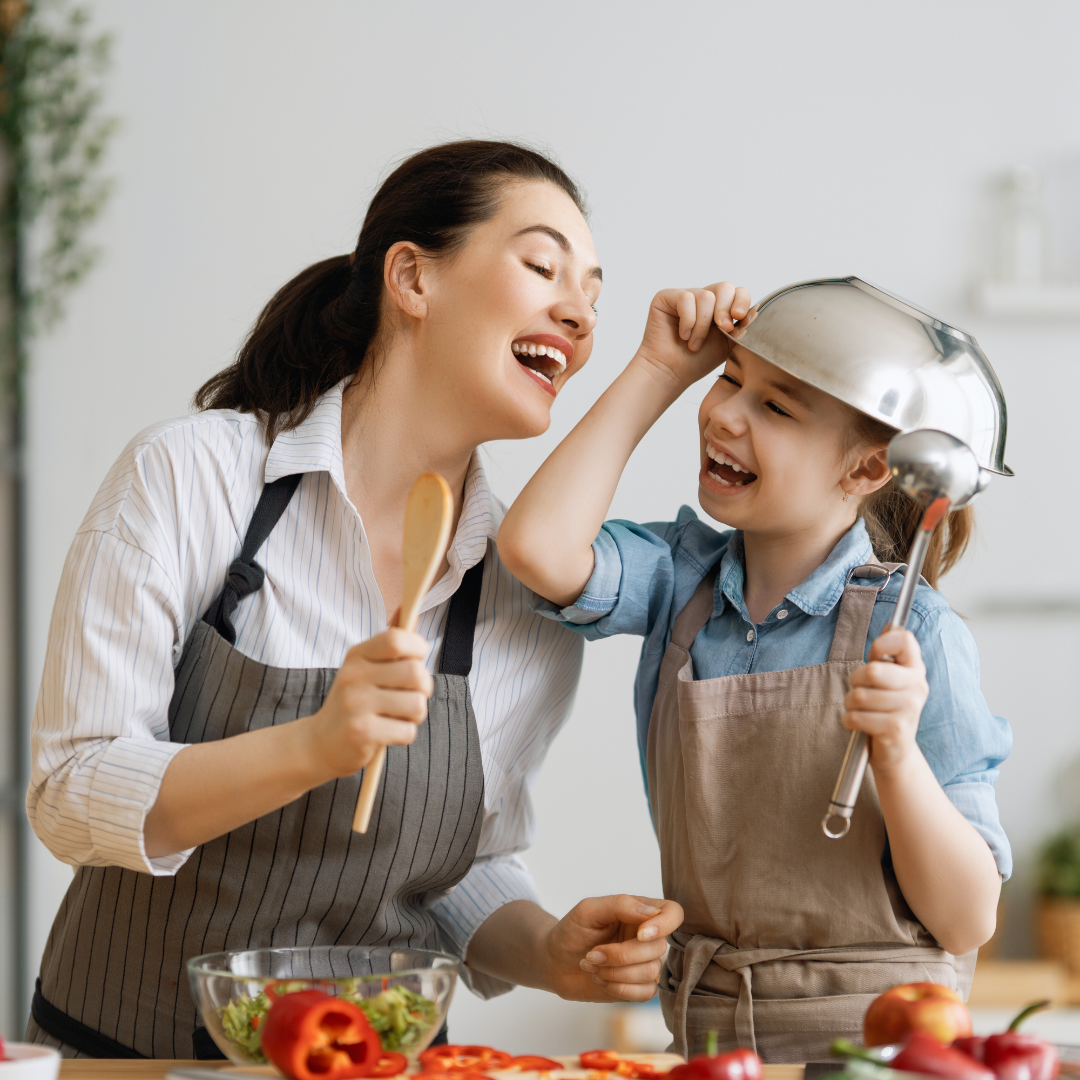
Getting kids involved in the kitchen can boost their confidence and teach valuable life skills. The key is to start with simple, age-appropriate tasks that keep them engaged and safe.
Setting clear rules, choosing easy recipes, and turning cooking into a fun activity are essential steps to ensure children enjoy participating. This approach helps them develop a positive attitude towards food and cooking.
Encouraging curiosity about ingredients and allowing kids some control over the process makes the kitchen a place of learning and creativity. It also strengthens family bonds through shared experiences.
Why Involve Kids in the Kitchen
Involving children in cooking activities benefits their development and family life in multiple ways. It equips them with skills to be more independent and helps foster better eating choices. It also creates opportunities for meaningful interactions between parents and children.
Building Essential Life Skills
Cooking with kids teaches practical skills that are vital for independence. Children learn to follow instructions, measure ingredients, and use kitchen tools safely. These steps develop their ability to plan and execute tasks.
Additionally, handling different textures and temperatures enhances sensory awareness. These experiences promote critical thinking when they solve issues such as adjusting recipes or timing cooking steps.
Over time, these lessons build confidence and responsibility. Preparing meals becomes an opportunity to practise organisation and patience, which are useful beyond the kitchen.
Encouraging Healthy Eating Habits
When kids participate in meal preparation, they gain insight into food choices. They become more aware of ingredients and nutritional elements. This exposure can encourage a preference for fresh vegetables, fruits, and balanced meals.
Involving children in cooking also reduces reluctance to try new foods. Familiarity with the process makes unfamiliar ingredients less intimidating.
Parents can use these moments to explain the benefits of certain foods. This direct connection between preparation and consumption supports the development of healthier long-term eating habits.
Strengthening Family Bonds
Cooking together offers time for conversation and shared experiences. These moments can improve communication and deepen relationships within the family.
In the kitchen, children often feel valued as their contributions are visible and appreciated. This inclusion fosters a sense of belonging and teamwork.
Sharing tasks and meals encourages cooperation and can create lasting positive memories. These interactions reinforce family connections beyond everyday routines.
Practical Ways to Get Children Cooking
Involving children in kitchen activities benefits their skills and confidence. It requires planning tasks that match their abilities, including them in choices, and making cooking a hands-on experience.
Starting with Age-Appropriate Tasks
Assign tasks based on the child’s age and skill level to ensure safety and engagement. For young children (ages 2-4), simple jobs like washing vegetables or stirring ingredients suit them best.
Children aged 5 to 7 can help measure ingredients, break eggs, or spread butter. Those from 8 upwards can start using knives with supervision, peeling, chopping soft foods, or operating kitchen gadgets.
Clear instructions and patience are crucial. Breaking tasks into small steps helps maintain focus and success. Safety gear like child-friendly knives protects while promoting independence.
Meal Planning Together
Involving children in meal planning increases enthusiasm for cooking. Sit with them to list favourite meals or new dishes they want to try.
Use a weekly planner or chart with clear days and meals. Highlight nutritional balance by explaining the importance of vegetables, protein, and grains in simple terms.
Children can suggest food combinations, fostering creativity. Planning also builds organisational skills by discussing grocery needs and cooking times. This practice turns meal prep into a collaborative task, not just an adult chore.
Grocery Shopping as a Learning Experience
Taking children grocery shopping turns it into a practical lesson on food choices and budgeting. Assign them tasks like finding items on the list or comparing prices.
Teach how to read labels for ingredients and nutrition facts to encourage healthy decisions. Discuss the colours, textures, and smells of fresh produce to engage their senses.
Limit screen time to maintain focus and allow questions. Shopping together also introduces concepts of seasonality, meal portions, and cost management, making children more aware of food origins and economics.
Engaging Children in Food Preparation
Encourage children to actively participate in cooking by assigning hands-on tasks suited to their confidence. Appropriately supervised peeling, chopping, mixing, and plating build skills and ownership.
Use visual aids like recipe cards with pictures and simple steps. Demonstrate techniques before expecting children to try independently. Praise effort and results to maintain motivation.
Engage children by asking them to describe ingredients or flavours, helping to develop taste awareness. Allow small tasks like setting timers or cleaning utensils after use to teach responsibility in the kitchen.
Developing Kitchen Skills Through Fun and Education
Kitchen activities that engage children combine practical skills, learning, and creativity. This approach helps children build confidence and understand the value of cooking while making the experience enjoyable.
Introducing Simple Recipes
Starting with simple recipes is essential for building basic skills. Recipes like fruit salad, sandwiches, or no-bake cookies teach measuring, mixing, and following steps.
Using clear instructions with visuals helps children grasp the process faster. Parents can assign tasks like washing vegetables or stirring batter, which strengthen fine motor skills.
Simple recipes also create opportunities to discuss kitchen safety, such as handling utensils and avoiding hot surfaces. Cooking with kids in this manner establishes a solid foundation for more advanced techniques later.
Teaching Maths and Science While Cooking
Cooking naturally involves maths and science concepts, ideal for hands-on learning. Measuring ingredients introduces fractions, volumes, and units. For instance, using measuring cups or spoons teaches basic fractions visually.
Temperature control illustrates scientific principles like heat transfer and chemical reactions. Watching dough rise, or eggs coagulate, demonstrates change states and cause-and-effect relationships.
Parents can prompt questions about why ingredients react differently or the importance of accurate measurements. This makes kitchen time an interactive educational experience that strengthens understanding in both subjects.
Making the Experience Sensory and Creative
Involving multiple senses enhances learning and engagement. Children explore textures by kneading dough, hear sizzles during cooking, and smell herbs or spices.
Encouraging creativity through decorating cupcakes or arranging plates allows self-expression. This approach makes cooking more enjoyable and stimulates problem-solving as children experiment with combinations.
Parents should provide a variety of tools and ingredients to inspire exploration. Sensory activities in cooking develop awareness and keep children interested in future kitchen tasks.
Creating a Safe and Kid-Friendly Kitchen Environment
To involve children in the kitchen, the space must be both organised and safe. This includes allocating specific areas for child participation, using age-appropriate tools, and teaching clear safety rules to prevent accidents.
Setting Up Dedicated Cooking Spaces
Assign a low, stable surface where children can comfortably work. This area should be free from sharp edges and hot surfaces. Use non-slip mats under bowls and cutting boards to keep items steady.
Keep hazardous items such as knives, glass, and hot pans out of reach. Child-proof locks on cupboards can prevent access to cleaning supplies and heavy equipment. Position frequently used ingredients within easy reach to encourage independence.
Organising the kitchen to clearly separate adult-only zones from children’s areas makes supervision simpler and reduces risks.
Child-Safe Tools and Utensils
Provide child-sized tools designed specifically for little hands, like plastic knives with rounded edges, small mixing bowls, and lightweight spoons. These tools reduce injury risk and make handling easier for children.
Avoid sharp or heavy utensils until the child shows adequate motor skills and understanding. Silicone spatulas, peelers with safety guards, and measuring cups with clear markings support learning and confidence.
Colourful, durable materials help distinguish these tools from adult equipment, keeping the environment orderly and safe.
Promoting Kitchen Safety Awareness
Teach children basic safety rules clearly and consistently, such as washing hands before cooking, not touching hot surfaces, and asking for help with unfamiliar tasks.
Use simple, memorable cues like “hot means stop” or “sharp means careful” to reinforce safe behaviour. Role-modelling safe habits is essential for children to understand expectations.
Supervision should never be relaxed during cooking activities. Explain why some areas are off-limits and why careful attention is necessary, fostering respect for kitchen safety.