
Busy families often struggle to find time for home-cooked meals, but simple recipes can make a big difference. Easy home-cooked meals focus on quick preparation, minimal ingredients, and balanced nutrition to fit into hectic schedules. These meals help maintain a healthy lifestyle without adding stress to busy days.
By choosing recipes that require little time yet deliver satisfying flavours, families save both time and effort. This article offers practical ideas that anyone can use to create nourishing meals, even on the busiest of evenings.
Essentials of Easy Home-Cooked Meals for Busy Families
Busy families often need to balance nutrition, speed, and simplicity when preparing meals. Focusing on core principles, efficient shopping, and smart cooking techniques helps save time and reduces stress in the kitchen.
Key Principles for Simple Meal Preparation
Simple meal preparation relies on a few clear rules. Recipes should use a few ingredients with minimal steps to reduce complexity. Prioritising meals that can be prepped in under 30 minutes increases the likelihood of regular home cooking.
Flexibility is important, allowing substitutions based on what is available. Meal plans should include options that can be easily reheated or served cold for convenience. Using family-friendly flavours keeps everyone satisfied without extra effort.
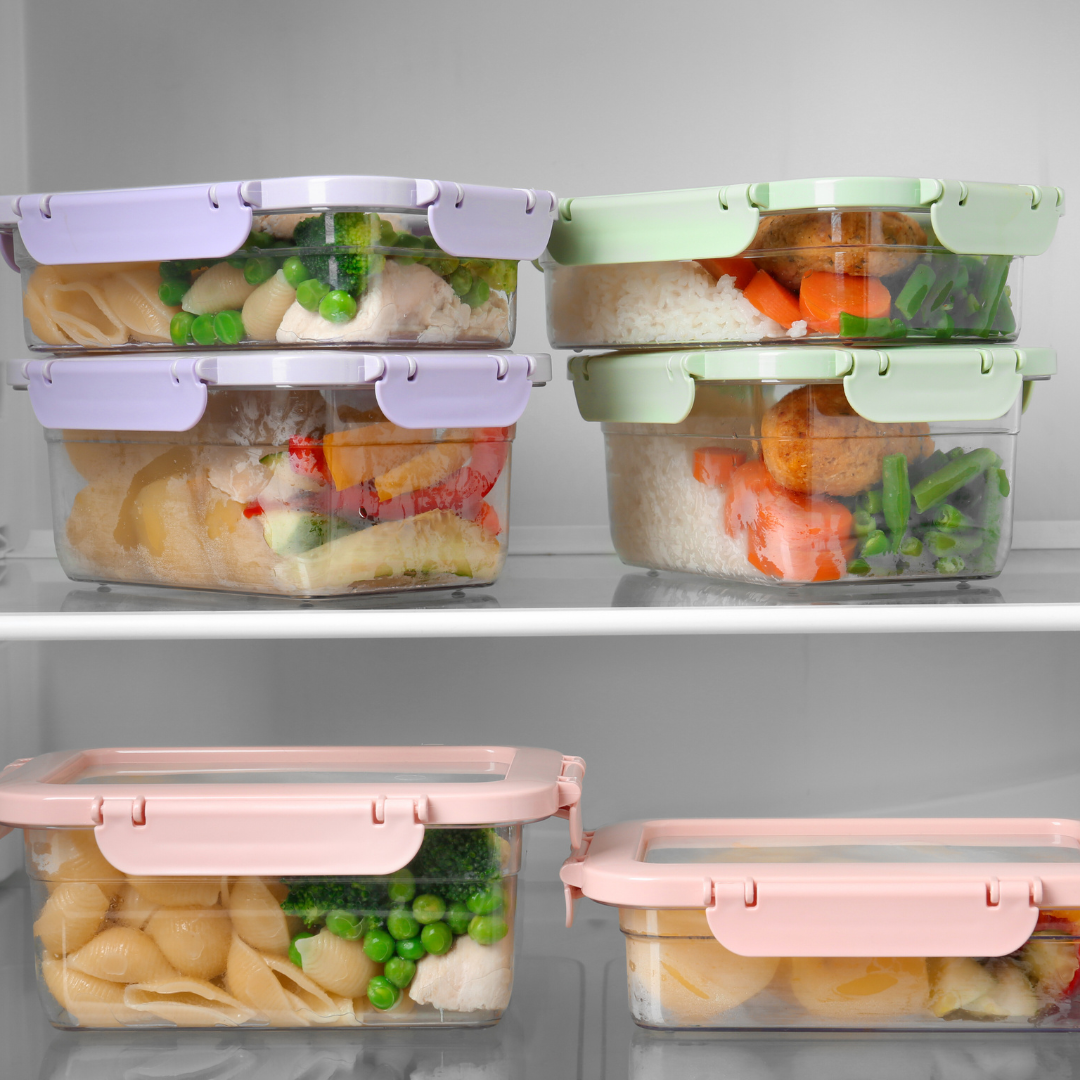
Batch cooking and portioning leftovers for future meals also support busy family schedules. These approaches minimise daily cooking demands while ensuring nutritious options throughout the week.
Smart Shopping and Pantry Staples
Stocking a well-organised pantry with versatile basics saves time and reduces last-minute trips. Staples include dried pasta, rice, canned beans, tinned tomatoes, frozen vegetables, and basic spices like salt, pepper, garlic powder, and mixed herbs.
Fresh ingredients such as onions, carrots, and potatoes provide a stable base for many dishes. Families should buy fresh proteins like chicken or mince in bulk and freeze portions to extend shelf life.
Creating a shopping list focused on essentials prevents impulse buys and simplifies meal choices. Using a weekly shopping routine helps maintain a steady supply of key ingredients without waste.
Time-Saving Cooking Methods
Busy families benefit from techniques that cut cooking time without sacrificing quality. One-pot and sheet-pan meals reduce preparation and washing up. Slow cookers and pressure cookers allow meals to cook unattended or rapidly, freeing up parents’ time.
Prep work like chopping vegetables or marinating meat can be done in advance, speeding up cooking when mealtime arrives. Using kitchen appliances like microwaves or air fryers helps finish meals quickly.
Cooking larger portions and storing leftovers for quick reheating avoids daily meal preparation. These methods ensure home-cooked food fits into hectic family routines.
Top Easy Weeknight Dinner Ideas
Quick and simple meals help families manage busy schedules without sacrificing nutrition or taste. These options focus on straightforward techniques and ingredients to deliver satisfying dinners with minimal fuss.
Family Favourites Everyone Will Love
Classic dishes like spaghetti Bolognese, roast chicken with vegetables, and chilli con carne work well for weeknight dinners. These meals use familiar flavours and ingredients most children and adults enjoy.
Using basic pantry staples and fresh produce keeps preparation easy. Recipes often allow for variations to cater to dietary needs or preferences while maintaining their appeal.
Batch cooking these favourites can save time later in the week. Leftovers can be repurposed into wraps, sandwiches, or quick lunches.
One-Pot and Sheet Pan Dinners
One-pot meals reduce cleanup by combining ingredients in a single cooking vessel. Examples include stews, casseroles, and risottos, which can simmer while the family starts other tasks.
Sheet pan dinners roast protein and vegetables together, offering balanced meals without multiple pots. Common versions use chicken thighs, sausages, or fish with root vegetables or seasonal greens.
These methods save time and energy, making them ideal for busy families needing tasty, wholesome dinners. Prep often involves cleaning, cutting, and then roasting or simmering with little active cooking time.
Make-Ahead and Freezer-Friendly Meals
Preparing meals ahead allows families to avoid stress after long days. Examples include lasagnes, meatballs, and curries that can be cooked in bulk and frozen in portions.
Freezer-friendly meals maintain flavour and texture when properly stored and reheated. Using airtight containers and freezing within hours of cooking preserves freshness.
Organising a freezer meal plan assures quick access to healthy dinners, reducing the temptation for takeaways. This strategy supports balanced eating even on tight schedules.
Speedy 20-Minute Dishes
Meals ready in 20 minutes or less suit evenings with limited cooking time. Stir-fries, omelettes, pasta with simple sauces, and quick tacos are popular choices.
These dishes rely on minimal ingredients and fast-cooking techniques like sautéing and boiling. Pre-chopped vegetables and pre-cooked proteins can further reduce time.
Speedy meals do not compromise on flavour or nutritional value. They offer practical solutions for families needing a quick, home-cooked dinner after busy days.
Nutritious and Satisfying Ingredient Choices
Selecting ingredients that balance nutrition and flavour is essential for quick, nourishing meals. Staples like grains, plant-based proteins, and flavour enhancers can transform simple dishes into satisfying family favourites.
Pasta, Rice, and Potato-Based Meals
Brown rice is a healthier alternative to white rice, offering more fibre and vitamins. Fried rice made with brown rice combined with vegetables and lean protein can be a fast, nutritious option.
Potatoes provide energy and essential nutrients such as potassium. They can be prepared boiled, roasted, or mashed to complement many meals. Using a mix of potatoes and wholegrain pasta adds variety and nutritional depth.
Including wholegrain varieties instead of refined grains increases fibre intake, which aids digestion and keeps hunger at bay longer.
Vegetarian and Tofu Options
Tofu is a versatile source of plant-based protein, suitable for stir-fries, curries, or baked dishes. Its mild flavour allows easy absorption of spices and sauces. Pressing tofu before cooking improves its texture.
Pairing tofu with vegetables and legumes creates balanced meals rich in protein and fibre. Vegetarian options are quick to prepare and tend to be lighter while maintaining nutritional value.
Including tofu in family meals helps diversify protein sources without sacrificing taste or ease of preparation.
Adding Flavour with Cheese and Herbs
Parmesan cheese adds umami richness and a pleasant salty note to dishes. It pairs well with pasta, potatoes, and rice meals, enhancing flavour without requiring many additional ingredients.
Fresh or dried herbs such as basil, thyme, and parsley provide flavour complexity with minimal calories. They can be sprinkled over dishes or stirred into sauces to brighten flavours naturally.
Using cheese and herbs strategically allows busy cooks to keep meals interesting and appealing to different ages without excessive seasoning efforts.
Tips for Stress-Free Family Mealtimes
Effective time management and shared responsibilities reduce mealtime pressure. Establishing routines and involving family members can create smoother, more enjoyable meals.
Meal Planning for Busy Schedules
Planning meals saves time and reduces the last-minute stress of deciding what to cook. He or she should prepare a weekly menu, considering quick recipes that use common ingredients.
Batch cooking and freezing meals enable busy families to reheat nutritious dishes in minutes. Using a shopping list based on the planned menu helps avoid unnecessary trips to the store.
Keeping staples like pasta, canned vegetables, and frozen meat on hand adds flexibility. Prioritising recipes that require minimal preparation, such as one-pot meals, maximises efficiency during hectic days.
Getting Kids Involved in Cooking
Involving children in cooking teaches them valuable skills and lightens the workload. Assigning age-appropriate tasks like washing vegetables, stirring, or setting the table keeps them engaged.
He or she should explain simple recipes and encourage children to help with measuring ingredients. This builds confidence and interest in food preparation.
Using fun tools like colourful utensils or themed aprons can make cooking more appealing for kids. Including them consistently fosters teamwork and creates positive associations with family meals.